MHRA Clinical Trial Approval Timelines Explained (2026)
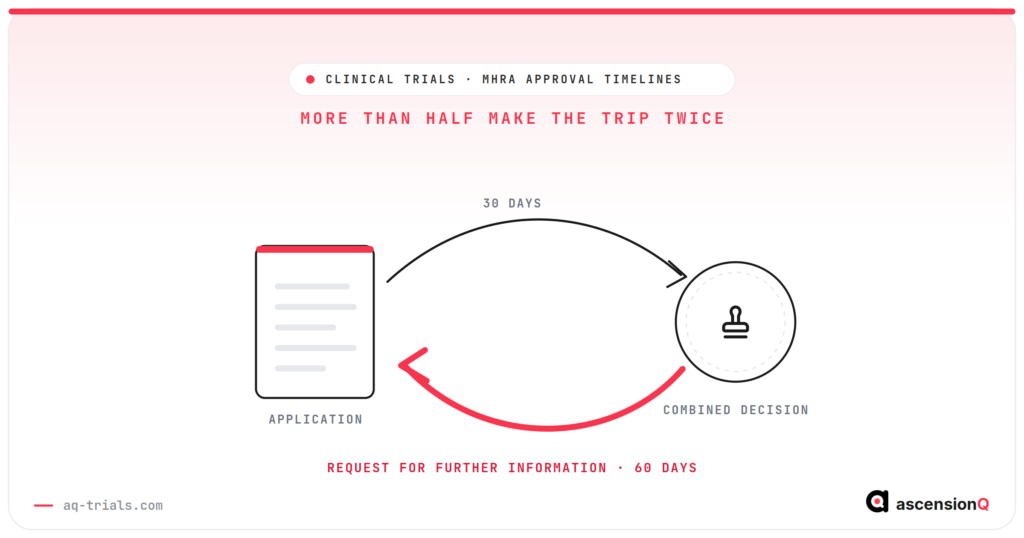
A UK clinical trial application runs against four published clocks: 7 calendar days for validation, 30 for the initial combined review decision, up to 60 for the applicant’s response and 10 for the decision on it. This guide covers every clock, the notification scheme, the modification routes and the deadlines approval itself starts.
DSPT and Cyber Essentials: What NHS Procurement Expects of Research Software
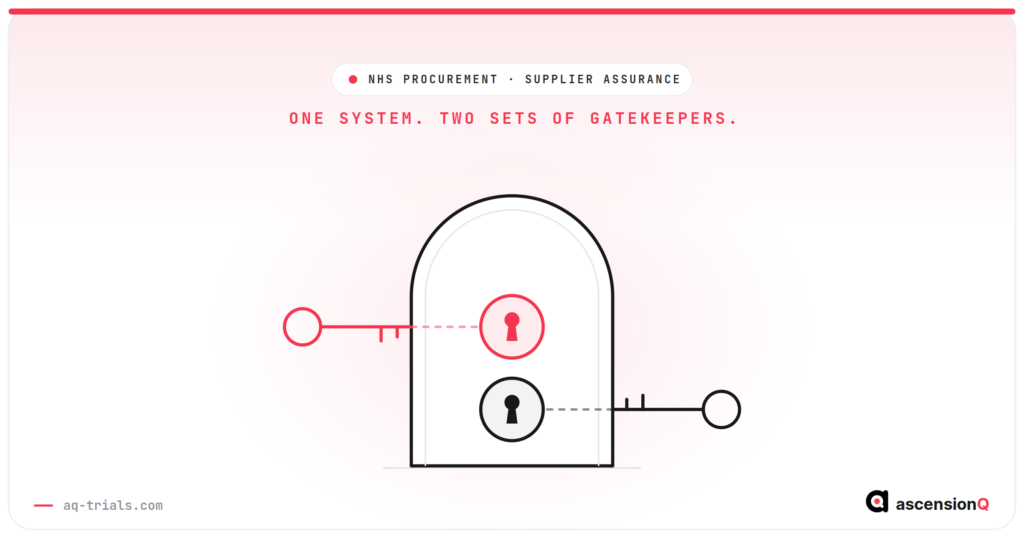
NHS procurement asks a research software supplier for the DSPT, Cyber Essentials, DTAC and data protection evidence. This guide covers the legal basis of each, where a trust verifies it and how visible a lapse is, the four dates they renew on, and the GCP computerised-system evidence the pack was never written to ask for.
NHS Clinical Research Software and ICH-GCP E6(R3): What the New UK CTR Requires
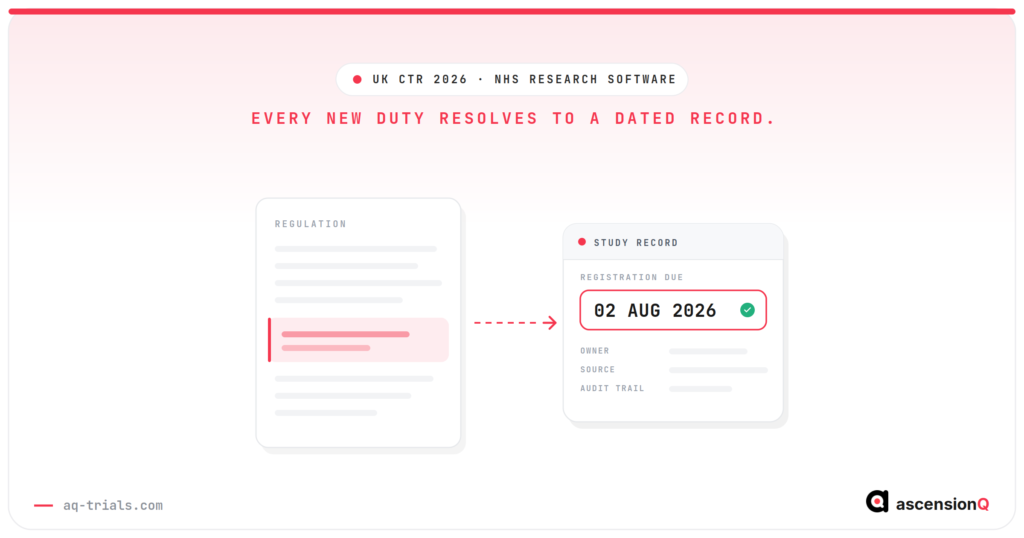
The amended UK Clinical Trials Regulations and ICH-GCP E6(R3) both took effect on 28 April 2026. This guide sets out the four provisions that now bind NHS research software, the statutory clock behind each duty, what E6(R3) Principle 9 and Annex 1 Section 4 require of a computerised system, and the 25-year retention duty under regulation 31A.
MHRA GCP Inspections: What to Expect and the Most Common Findings
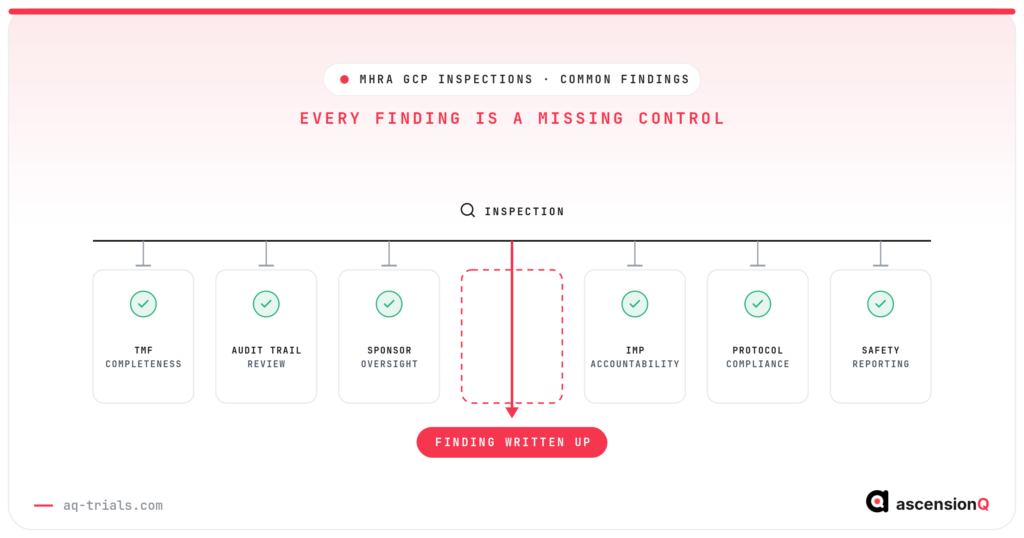
An MHRA GCP inspection tests whether a clinical trial was run the way the records claim. This guide explains what to expect at each stage, how findings are graded critical, major and other, and the areas inspectors write up most often, with the control that prevents each one.
The New UK Clinical Trials Regulations (2026): What Sites and Sponsors Must Do
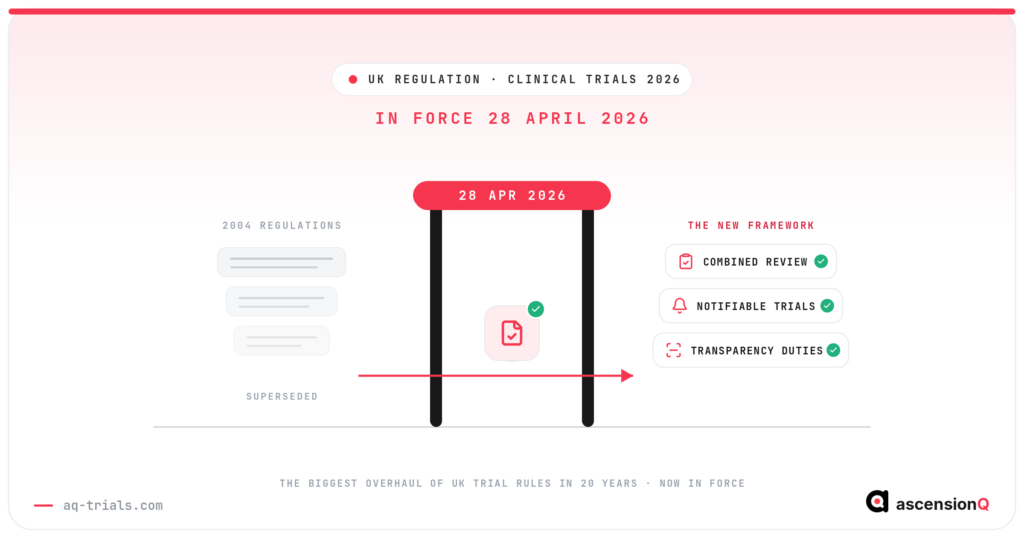
The Medicines for Human Use (Clinical Trials) (Amendment) Regulations 2025 came into force on 28 April 2026, the biggest overhaul of UK clinical trials rules in 20 years. This guide explains combined review, notifiable trials, the new transparency duties, and exactly what sites and sponsors need to do.