What Counts as Source Data in a Clinical Trial?

Source data in a clinical trial is all the information held in original records, and in certified copies of those records, that is needed to reconstruct and evaluate the trial. This guide covers the ICH definition, the difference between source data and a source document, the test that separates an original from a copy, and which record holds the source for each data type.
eSource in Clinical Trials: A Complete Guide for UK Research Sites
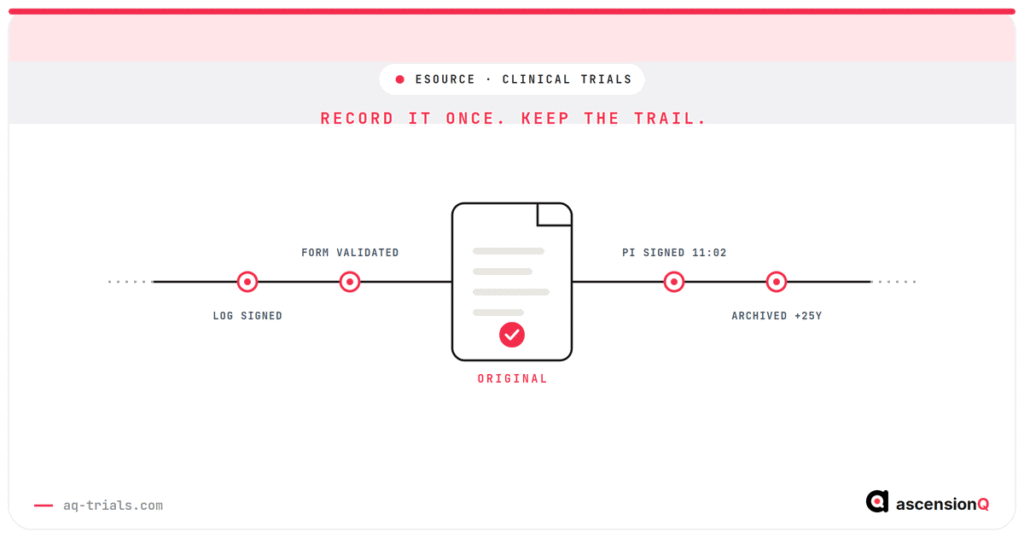
eSource in clinical trials is trial data recorded electronically at the point of first capture, so the entry itself is the original source record. This guide covers the four types of eSource, who uses it, the record lifecycle, what UK law and ICH E6(R3) require, benefits and limits, and what to check before buying.
Clinical Trial Site Selection: Best Practices for UK Studies
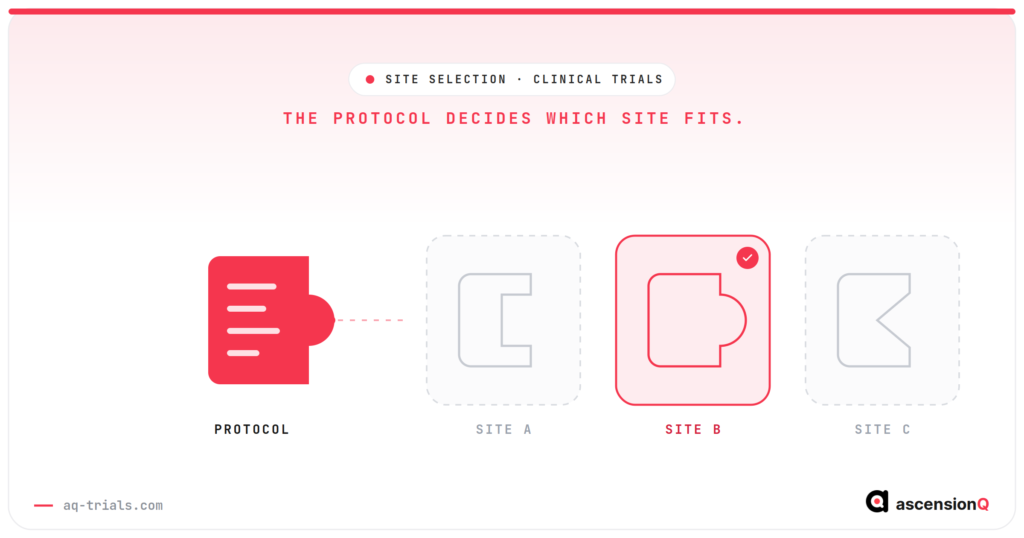
Best practice in clinical trial site selection is to choose each site against evidence it has already produced, rather than the estimate on its feasibility form. This guide covers what the April 2026 UK rules put on the decision, the nine criteria that predict delivery, how to test a site’s real access to its population, and the measures that show whether the choice was right.
What is a Blinded Experiment in Clinical Trials?
Sometimes participants and researchers’ expectations can significantly influence the outcomes of clinical trials. Therefore, blinded experiments are conducted to maintain neutrality and objectivity. Blinded experiments ensure that the findings are a direct result of the experiment itself, rather than expectations or preconceived notions. Let’s discuss in detail to thoroughly understand what is a blinded experiment. […]
What is the Purpose of Clinical Trials?
Clinical trial’s primary purpose is to evaluate the safety, efficacy, and potential side effects of new medical interventions. Whether it is drugs, treatments, procedures, or diagnostic tools, every proposed intervention goes through a series of clinical trials to show and confirm their effectiveness and reliability by all means. So—clinical trial management system are important for […]
The Ultimate Guide to Understanding What Are Clinical Trials and Studies
There are two main types of clinical research: observational studies and clinical trials. Observational Studies monitor individuals in normal settings, collecting information to observe changes over time. Whereas Clinical Trials are focused research studies that assess the impact of a medical, surgical, or Behavioural intervention on human participants. Clinical trials are essential in determining whether […]
What is a Phase 4 Clinical Trial?
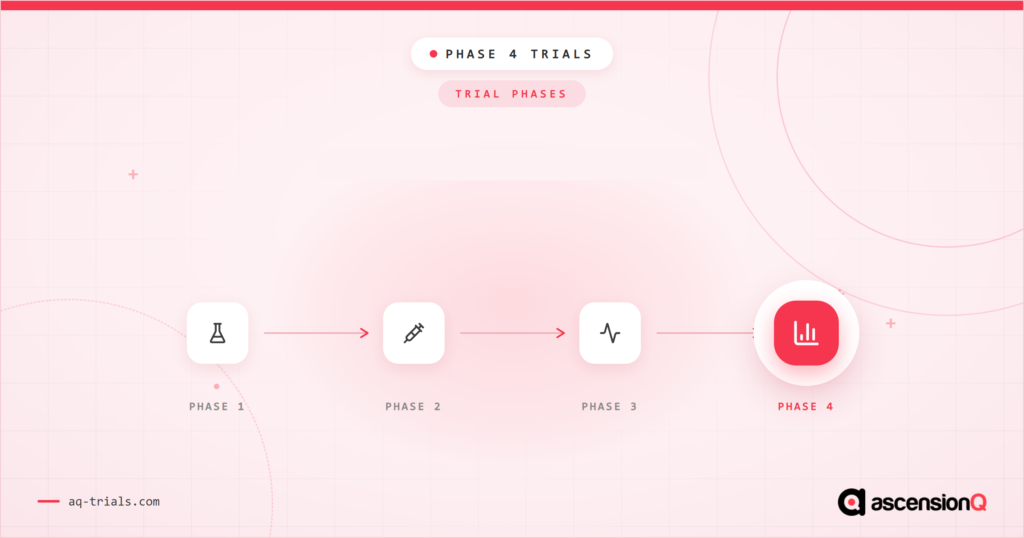
Clinical trial Phase 4 is the post-marketing phase of drug development and is conducted after a drug has been approved to be available in the market. It assesses the introduced intervention’s long-term safety, effectiveness, and other aspects in real-world conditions. Related: Clinical Trial Management System Let’s get to the details of what is a phase […]
What is Phase 3 Clinical Trial
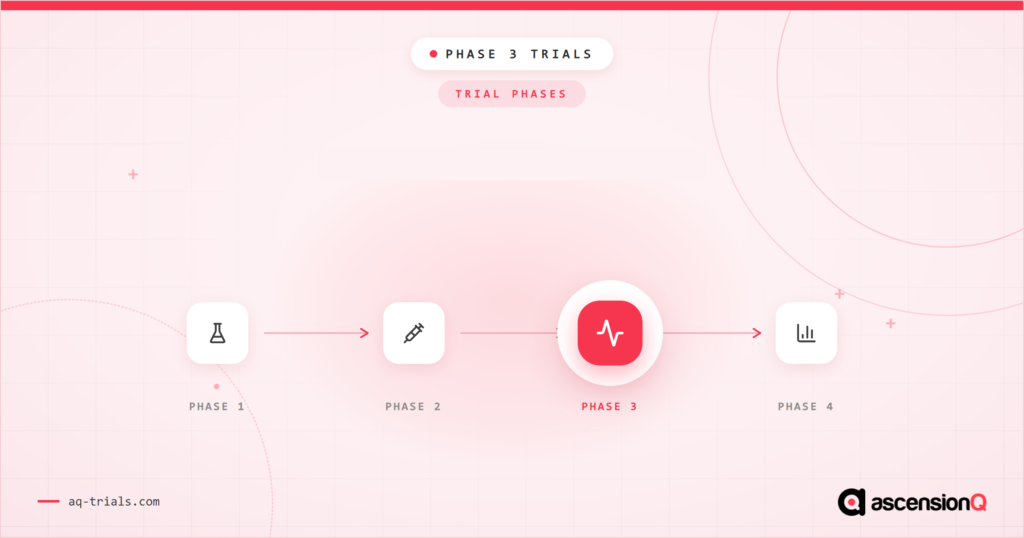
Phase 3 clinical trials, lasting for over 5 years, represent a critical stage in the development of new drugs and medical treatments. They are conducted after preliminary evidence suggesting effectiveness of the drug has been obtained in Phase 2 trials. The primary goal of Phase 3 is to confirm the drug’s effectiveness, monitor side effects, […]
What Is Phase 2 Clinical Trial
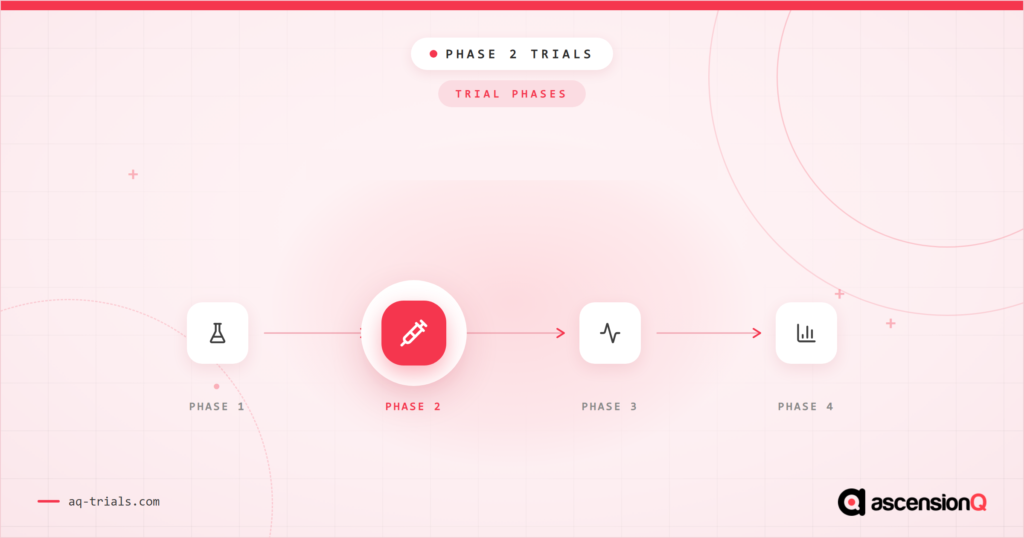
Phase 2 clinical trials represent a critical stage in the development of a new drug or treatment. These trials are conducted after the initial safety of the treatment has been confirmed in Phase 1 trials. The primary goals of Phase 2 trials are to evaluate the efficacy of the drug and to gather additional information […]
What is a Phase 1 Clinical Trial
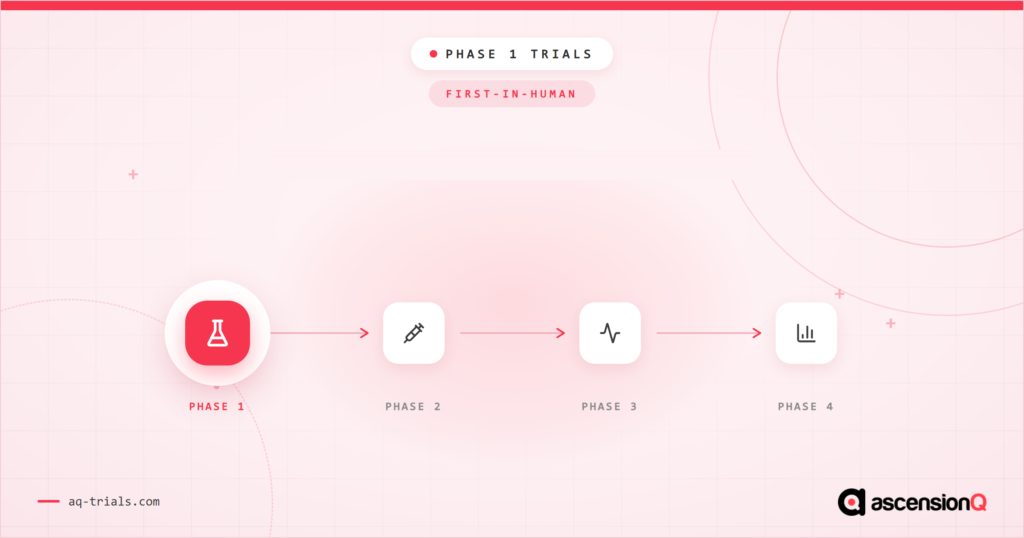
The Phase 1 clinical trial is the first stage in the clinical testing of a new drug or treatment in humans. This is primarily concerned with assessing the safety, tolerability, pharmacokinetics (how the body absorbs, distributes, metabolizes, and excretes a drug), and pharmacodynamics (the effects of the drug on the body) of the compound. Thanks […]