How AI Finds Documentation Gaps in an Investigator Site File
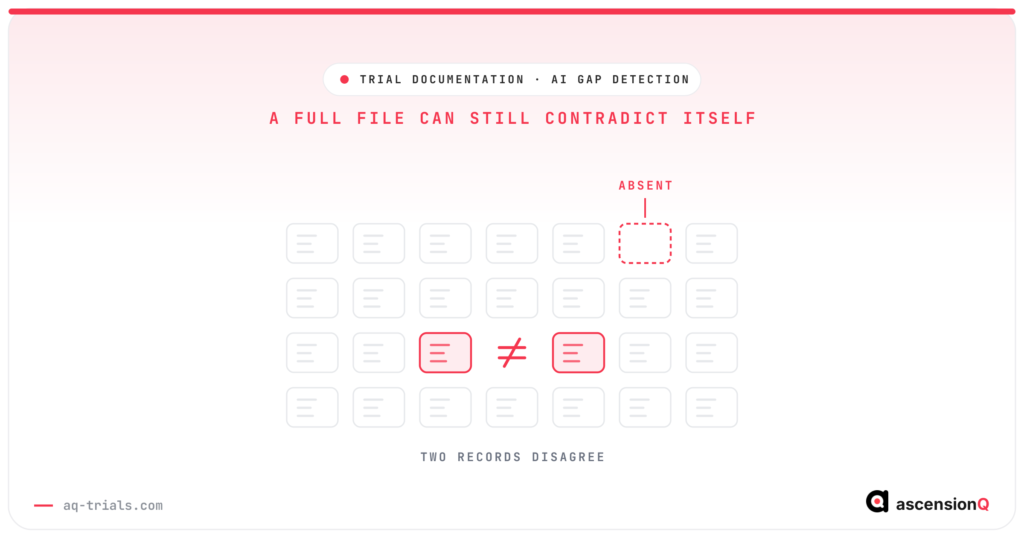
A check compares the records a trial should hold against the records actually filed, reads each document to confirm what it is, and compares dates across related records for contradictions. This guide covers the expected set, classification, four site file contradictions, flag scoring and routing, and what a flag proves.
What Belongs in a Pharmacy Site File?
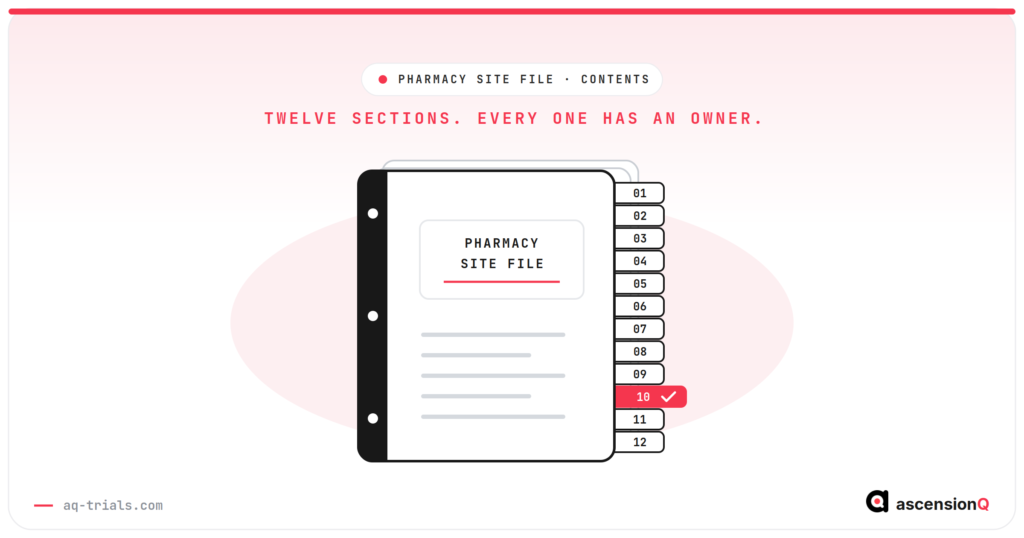
A pharmacy site file holds every record that proves how a trial pharmacy managed IMP for one study. This guide covers the essential records ICH E6(R3) places in it, a twelve-section numbered folder structure, who maintains and signs each section, and which records sit outside the study file.
How Long Must eSource Records Be Kept, and How Do You Archive Them?
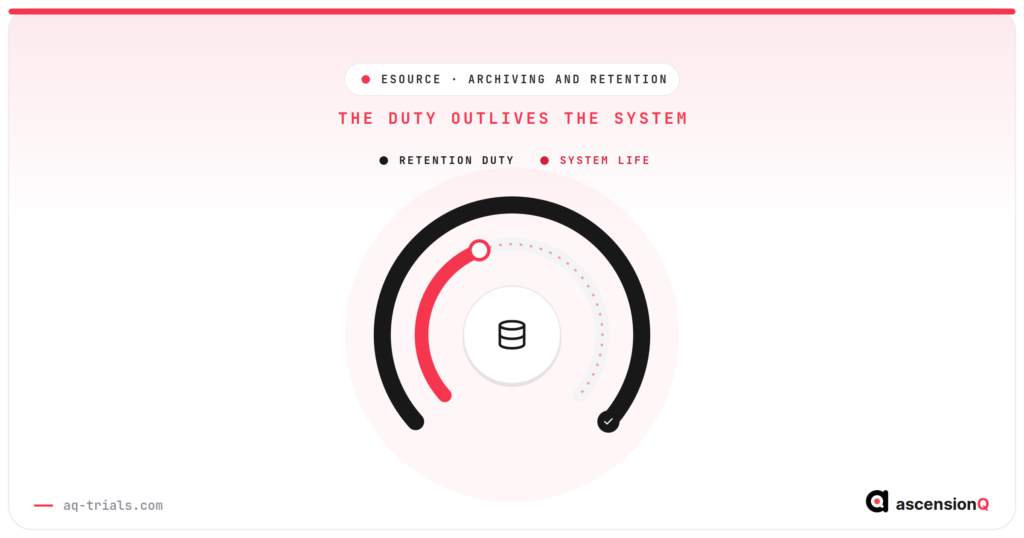
eSource records must be kept for at least 25 years after the trial ends, and archived so the entry, its metadata and its audit trail still open. This guide covers the UK retention clocks, the archive and backup distinction, readable-format archiving and vendor exit terms.
How to Move a Site from Paper Source to eSource Mid-Study
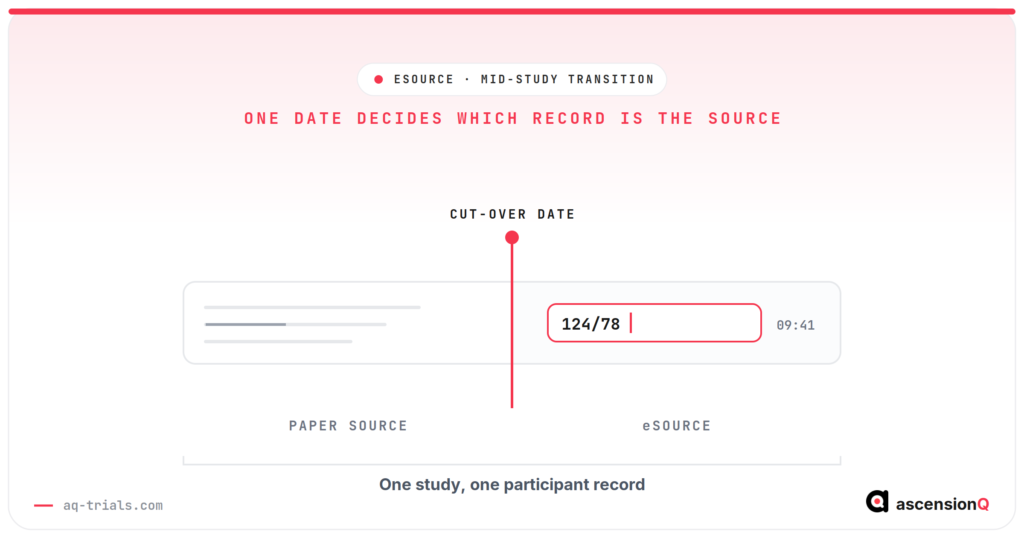
A site moves from paper source to eSource mid-study by agreeing the change with the sponsor, fixing a single cut-over date, and re-signing the source declaration on that date. This guide covers who approves the change, the six documents that change on the date, what happens to the paper already collected, and why dual running is the risk that matters.
How to Build a Source Data Plan Before the Site Initiation Visit
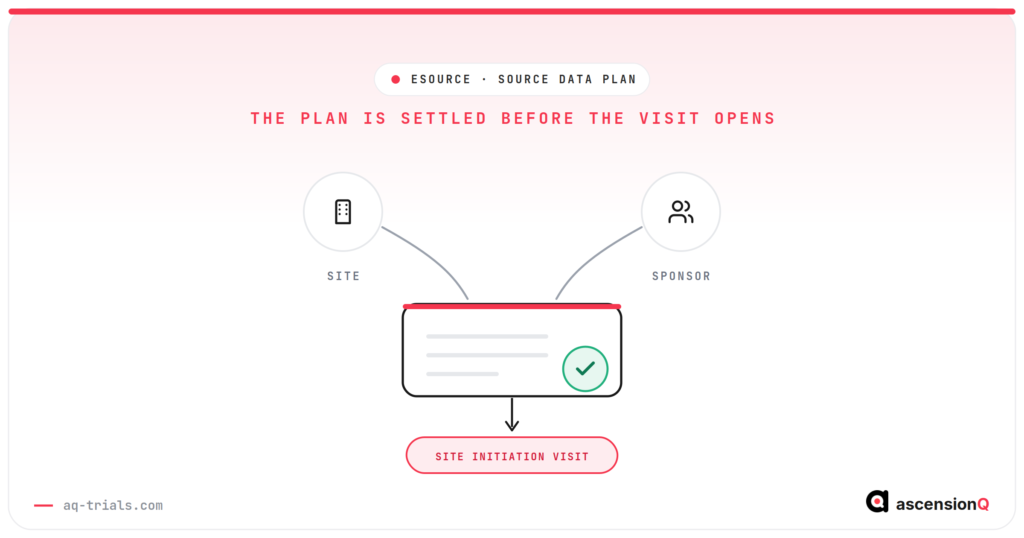
A source data plan settles, for every data point the protocol collects, what the original record is, who may create it and how the value reaches the sponsor. This guide covers the six decisions the plan settles, how the site and sponsor agree them, the four documents it produces and a build sequence measured in weeks.
Certified Copies: When Can a Scanned Record Replace the Original Source?
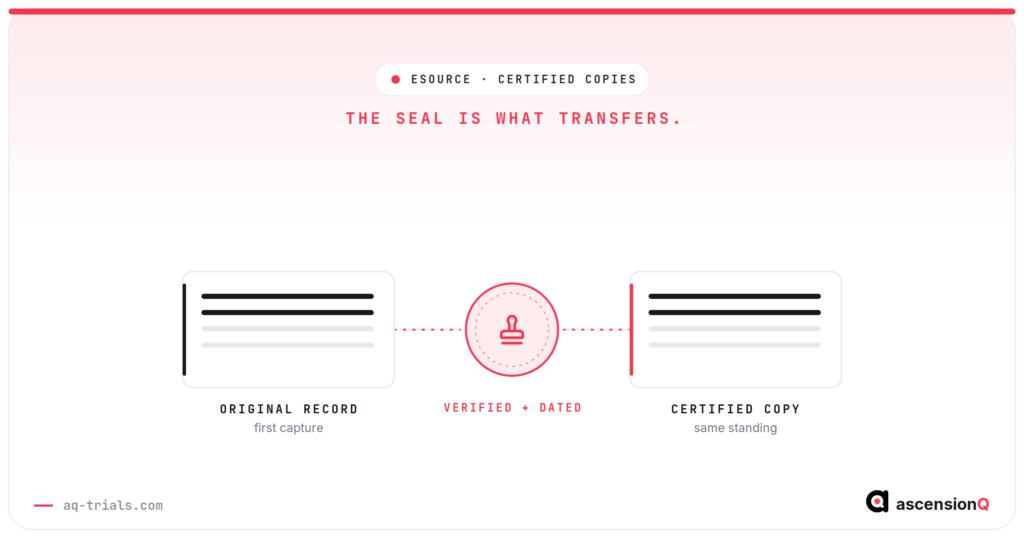
A scanned record can replace the original source when the copy has been verified to hold the same information as the original. This guide covers the ICH and MHRA definitions, the two verification routes, who certifies at the site, which records a scan cannot replace, and when an original may be destroyed.
What Is a Source Data Location Log and Who Signs It Off?
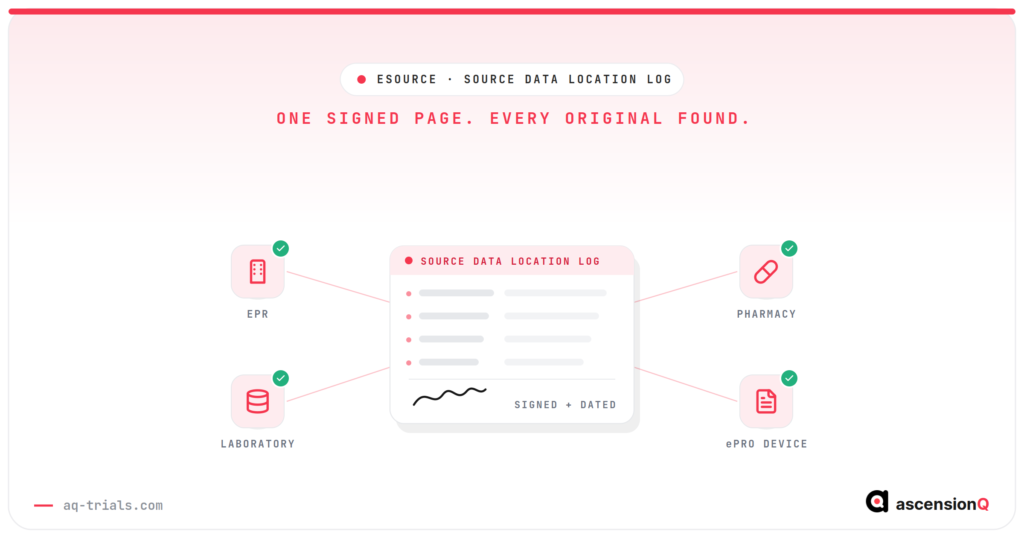
A source data location log is the site’s written record of where the original of every data point is held, signed and dated by the principal investigator. This guide covers what belongs in the log, how specific each entry must be, who signs it off, where it is filed and how versions are controlled.
Which Record Is the Source When Data Sits in Both the EPR and the Trial System?
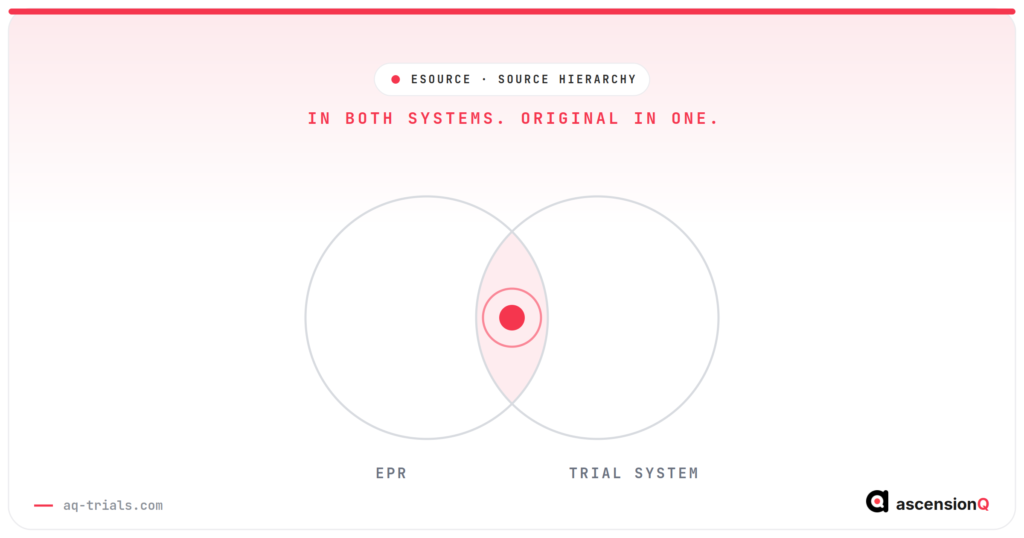
The source is the record that held the observation first, and the site declares that record per data point before the study opens. This guide covers the test that separates an original from a copy, the order that settles a duplicate, how the declaration works, and what an inspector asks.
eSource vs Paper Source Worksheets: What Changes at the Site
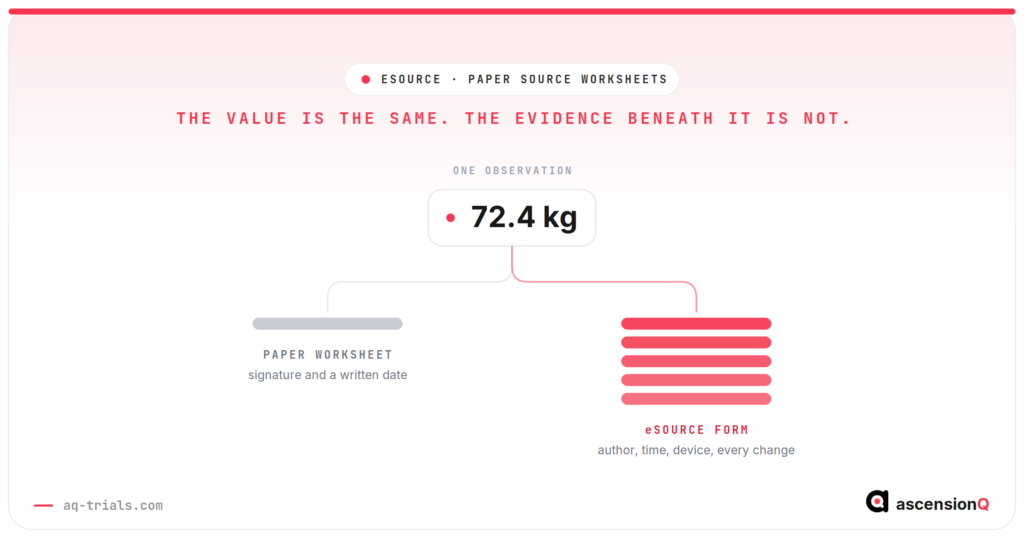
eSource and paper source worksheets differ at the site in four places: how errors arise, how a correction is recorded, where the record is stored, and how much work monitoring creates. This guide covers each one, and what stays the same whichever format a UK research site uses.
CTMS vs eTMF vs EDC vs eISF: Which System Do You Actually Need?
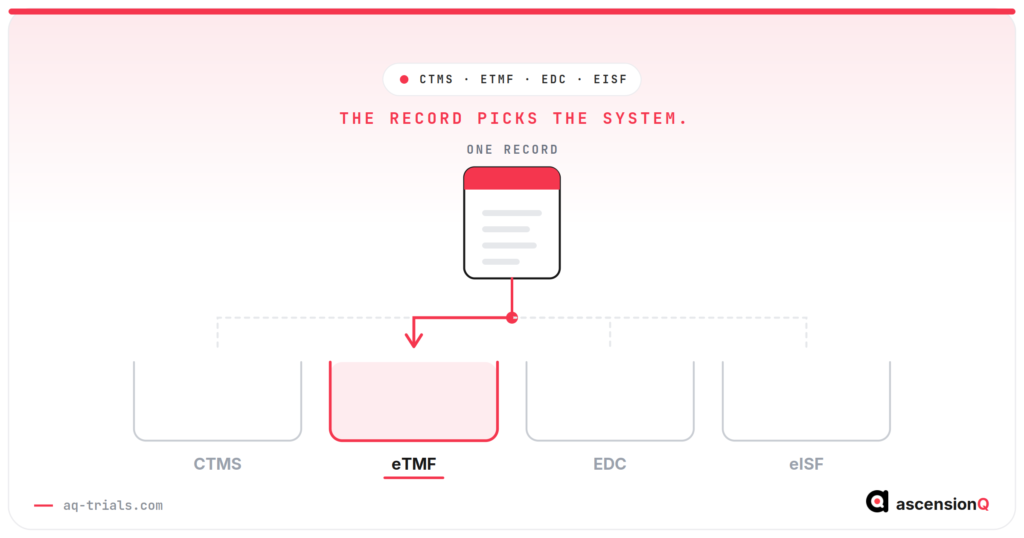
A CTMS, an eTMF, an EDC system and an eISF answer four different questions about the same trial. This guide sets out the record each one owns, which of them UK law and ICH-GCP E6(R3) actually name, the six records that end up with two owners, and the order in which to close the gaps.