SMO vs CRO: Which One Does What?
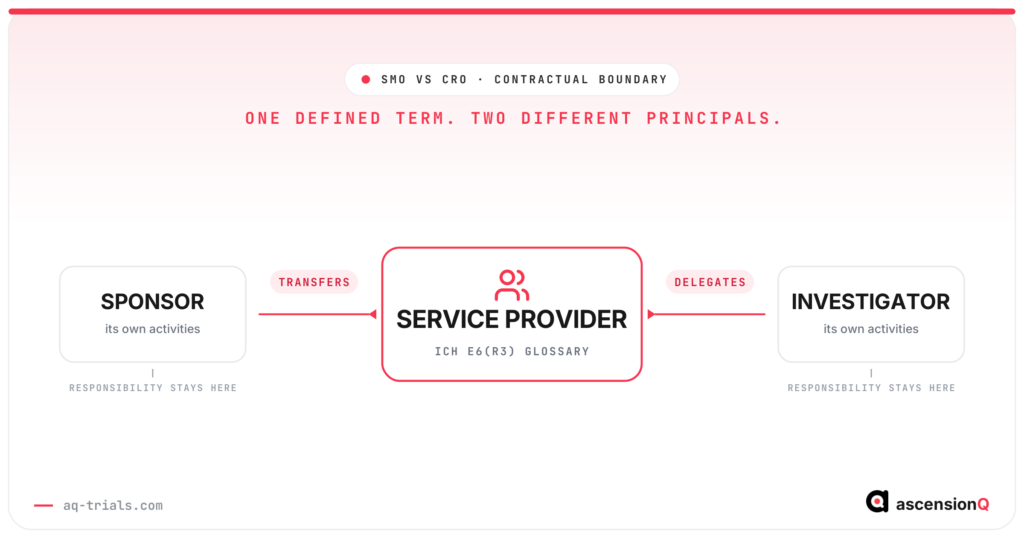
An SMO performs the activities the investigator is responsible for, and a CRO performs the activities the sponsor is responsible for. This guide covers the one defined term behind both, which obligations sit with each, what happens when an agreement is silent, and how a finding travels when a sponsor engages both on one study.
How Much SDV Time Does eSource Save? What the Evidence Shows
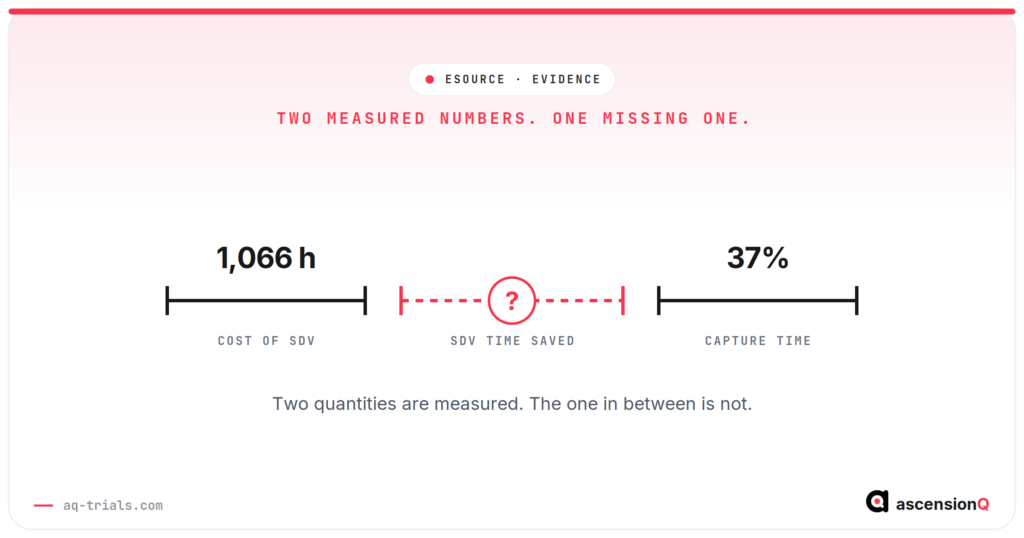
No published study has measured how much SDV time eSource saves. The evidence quantifies two other things: what full source data verification costs a trial, and how much data entry time eSource removes at capture. This guide covers the four studies, their figures, and what a UK site can claim.
How Do NHS Sites Give Monitors EPR Access Without Breaching UK GDPR?
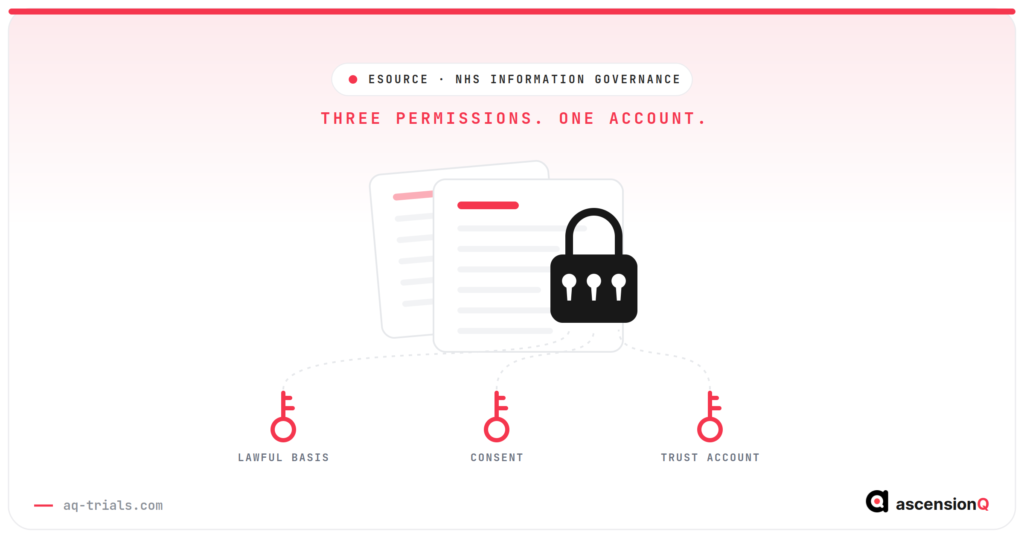
NHS sites give monitors EPR access lawfully by putting three permissions in place: a lawful basis, participant consent and a trust-issued read-only account. This guide covers the MHRA access models, the trust approval chain, what the Caldicott principles ask and how the access is audited.
How Should Monitors Do Remote Source Data Verification with eSource?
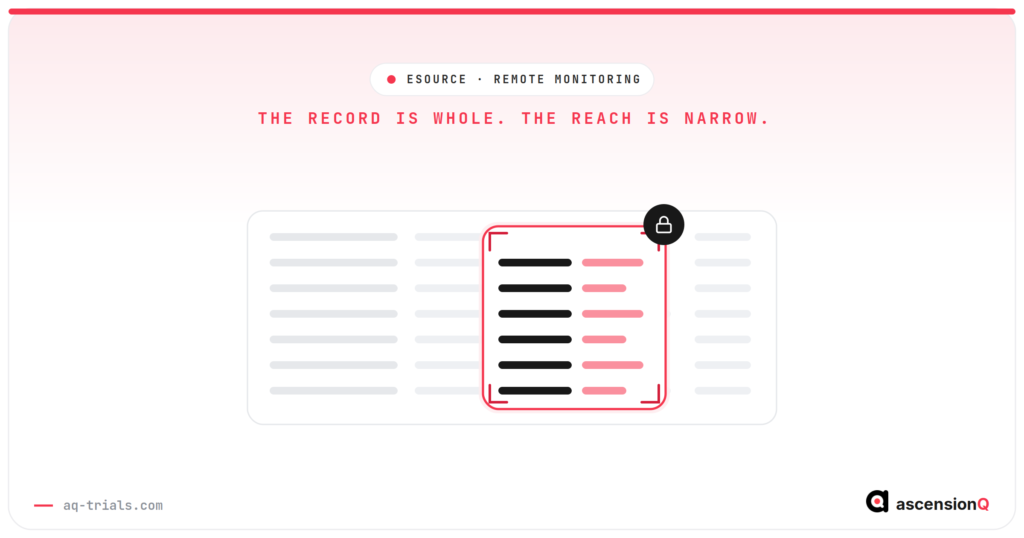
Remote source data verification with eSource runs through a named, read-only account scoped to one study’s participants at one site. This guide covers the boundary between verification and review, the five dimensions of access scope, what the monitor sees, the seven-step query flow and six ways it breaks down.
What Does PI Oversight Look Like in an eSource Audit Trail?
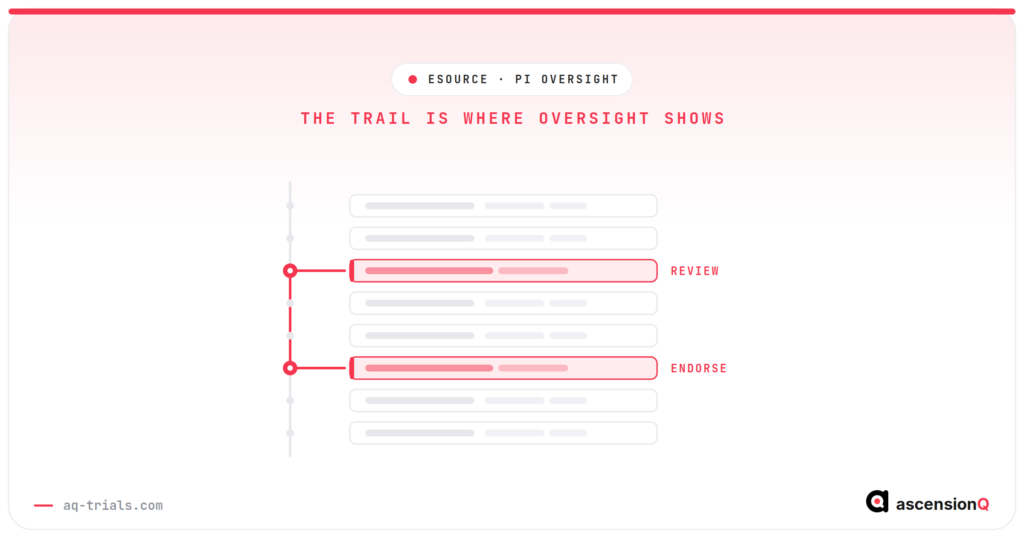
PI oversight in an eSource audit trail looks like three kinds of entry: attribution, review and endorsement. This guide covers what a principal investigator reviews and how often, what makes an endorsement defensible, how the trail proves delegation on a past date, and the six requests an inspector makes.
ICH-GCP E6(R3) and CTMS: What Changes for Study Oversight
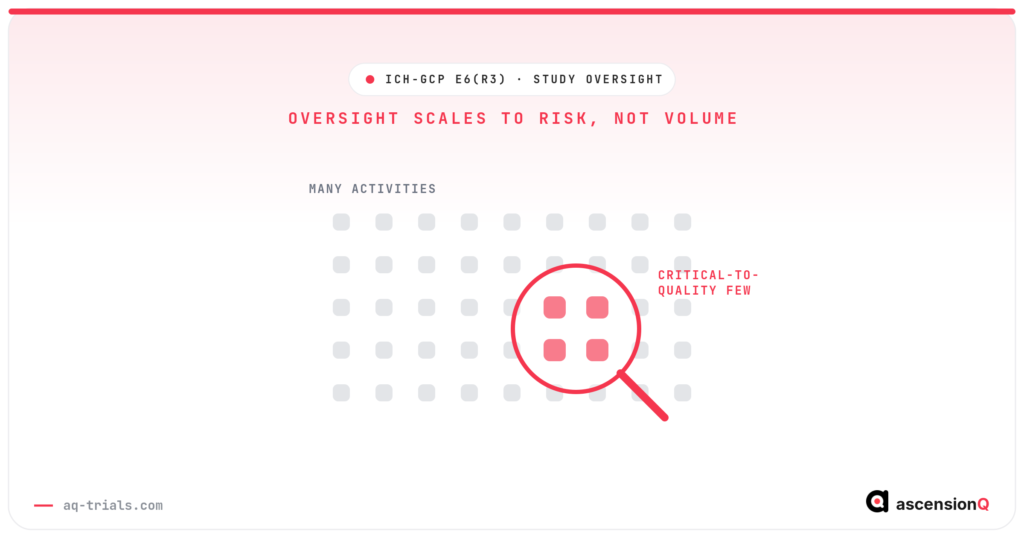
ICH-GCP E6(R3) rewrites study oversight around quality by design and proportionate risk. This guide explains what changed from E6(R2), what risk-proportionate oversight means in practice, and how a CTMS gives study teams the live risk signals, delegation currency and data governance the guideline now expects.
Delegation of Authority Logs: Why Effective Dates Matter More Than Signatures
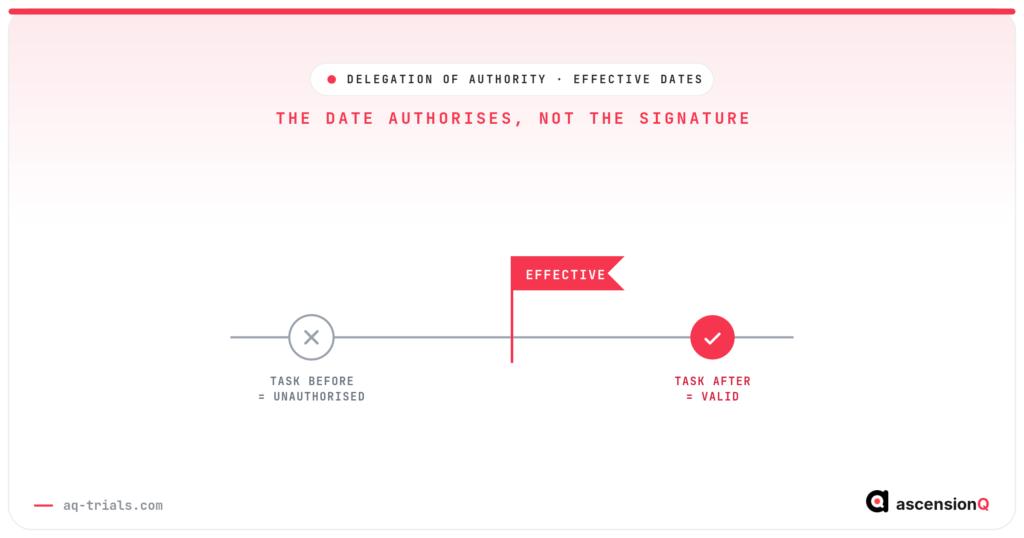
A delegation of authority log records who may perform each trial task, and from when. The effective date, not the signature, is what authorises the activity. This guide explains why timing outranks the signature, how a retro-dated entry becomes an inspection finding, and the fields a defensible log entry needs.
Why do CROs Need a Centralised Digital DOA System?
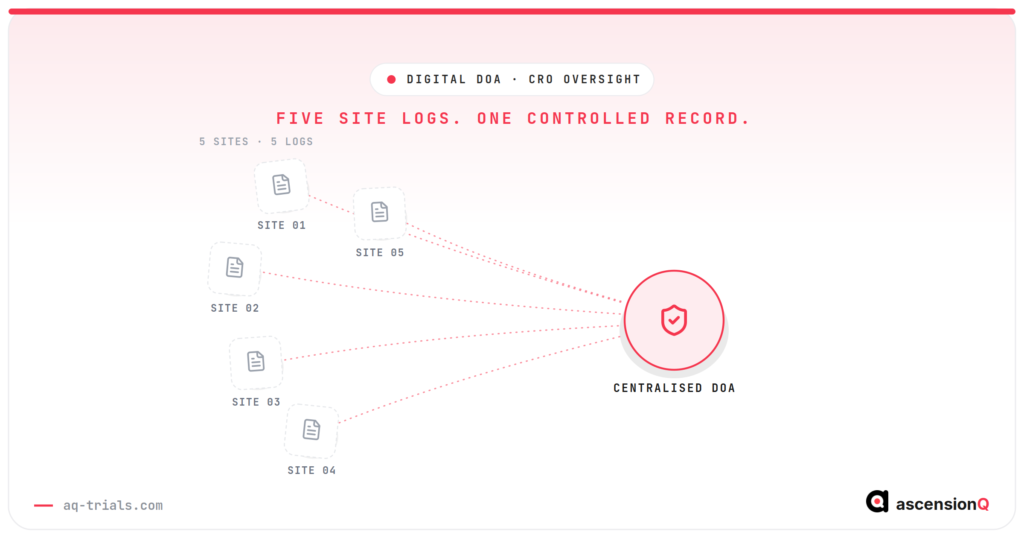
There is no doubt that CROs require a digital Delegation of Authority system, not a paper-based log or spreadsheet. Because CRO operations span multiple sites, multiple investigators, and continuous study activity, delegation must stay aligned with who performs each task, who approves it, and when it is valid. Well, it can be even more effective […]
What is DOA: Delegation of Authority in Clinical Research
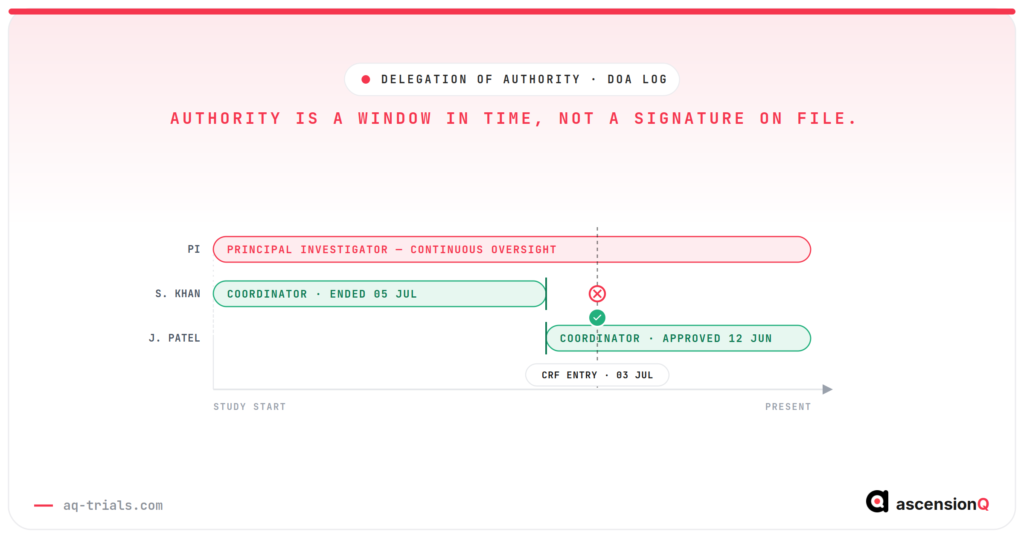
Delegation of authority in clinical research is the documented process by which the principal investigator assigns specific trial tasks to named, qualified staff and retains accountability for every one of them. The delegation of authority log is the record that proves it, task by task and person by person, with the dates each authorisation starts […]
E-Delegation in Clinical Trials: Overcoming Traditional Challenges
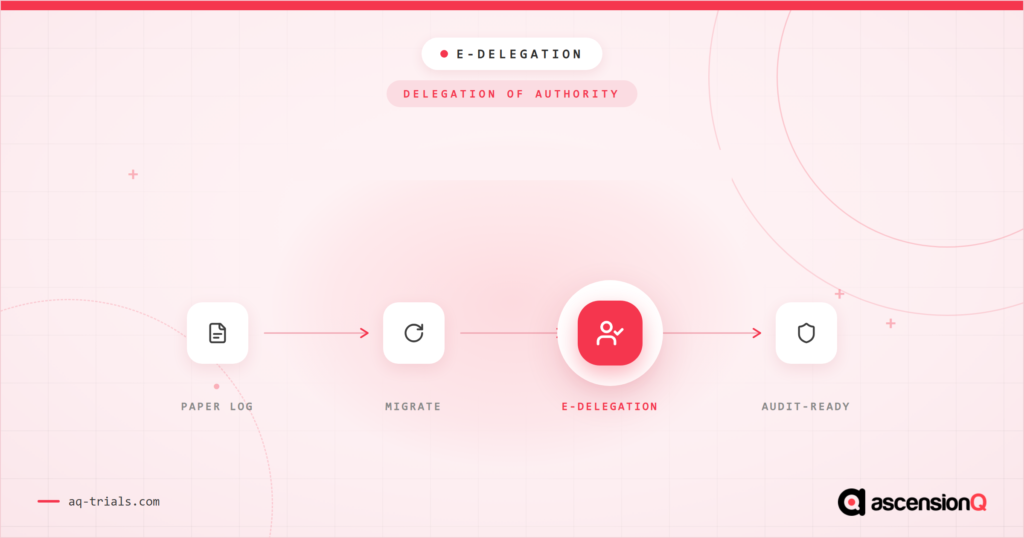
Increasingly, the shift from traditional methods to digital innovation is marking a significant turning point in clinical trials. ‘E-delegation’ is one such innovation, which encapsulates the transition from paper-based delegation logs to electronic systems. This shift is more than a mere technological update. It revolutionises how tasks are assigned, monitored, and recorded in clinical trials. […]